
bedroom wall mirror with lights
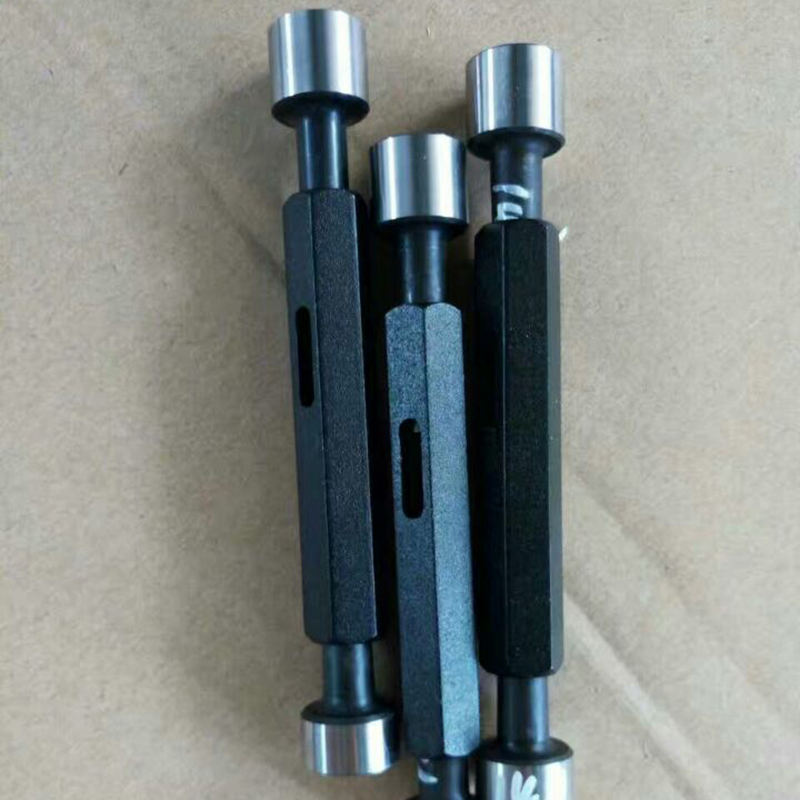
Understanding Ring Gauge and Plug Gauge Key Elements in Precision Measurement In the realm of manufacturing and engineering, precision is paramount. The dimensions of machined parts must adhere to strict tolerances, and even a minor deviation can lead to malfunction or failure of the final product. To ensure that these tolerances are met, various measuring tools and gauges are employed, among which the ring gauge and plug gauge play a significant role. What Are Ring Gauges? Ring gauges are cylindrical tools used to measure the external diameter of a part. Their primary function is to verify whether a workpiece's outer dimension falls within specified tolerances. Ring gauges are typically produced in two categories go and no-go gauges. - Go Gauges These are designed to fit onto or over the workpiece, confirming that the part is within the acceptable limits. If a go gauge can be applied without force, the diameter is considered acceptable. - No-Go Gauges These are intended to not fit onto the workpiece. If a no-go gauge passes over the part, it indicates that the dimension is oversized and fails the inspection. The simplicity and effectiveness of ring gauges make them essential in quality control processes, ensuring that manufactured components meet the required specifications. What Are Plug Gauges? Conversely, plug gauges are designed for measuring the internal dimensions of holes, such as diameters and depths. Similar to ring gauges, plug gauges also come in go and no-go varieties. - Go Plug Gauges These gauges are inserted into a hole to check its diameter . If the go plug fits without undue force, the internal diameter is within specification. - No-Go Plug Gauges These gauges are larger in diameter than the go plugs and are used to ensure that the hole is not oversized. If a no-go plug gauge fits into the hole, it fails to meet the required standard. ring gauge plug gauge Both ring and plug gauges are essential in ensuring that components fit together correctly in assemblies, which is crucial in industries such as aerospace, automotive, and precision engineering. Importance in Quality Control The proper use of ring and plug gauges contributes significantly to maintaining quality control in production processes. They help identify defects early, reducing scrap rates and ensuring that only parts that meet stringent specifications proceed through the manufacturing line. This not only saves costs but also enhances the reliability and performance of the end products. Material and Design Ring and plug gauges are typically made from high-quality tool steel or carbide, ensuring durability and long-term accuracy. They are often treated with surface hardening techniques to withstand wear. Precision grinding is used to achieve the required tolerances, making them reliable tools for measurements. The design of these gauges also considers user convenience; most modern gauges feature ergonomic handles and clear markings indicating their size and tolerance levels, making them easy to use in various settings. Calibration and Maintenance Like all precision measuring tools, ring and plug gauges require regular calibration and maintenance to ensure accuracy. Calibration involves comparing the gauges to a standard reference that is traceable to national or international measurement standards. Proper care, including cleaning and storage in protective cases, can extend the life of these gauges and preserve their accuracy. Conclusion In conclusion, ring gauges and plug gauges are fundamental tools in precision engineering and manufacturing. They provide critical measurements that ensure parts meet safety and performance standards, contributing to the integrity of finished products. As industries continue to evolve, the role of these gauges remains vital; they are indispensable allies in the pursuit of quality control, guaranteeing that every component fits perfectly and functions reliably. The continued development and innovation in gauge technology will further enhance their effectiveness, driving forward the standards of precision in manufacturing practices.
about
bedroom wall mirror with lights
In threaded assembly, failure is measured in microns. A minuscule deviation in an internal thread gauge can lead to leaks, stripped fasteners, or catastrophic joint failure. At the heart of ensuring these critical interfaces function flawlessly lies the thread plug gauge . Yet, the gauge itself is not perfect; it operates within tightly controlled margins defined by tolerances and wear allowances. Understanding these parameters isn't just metrology – for wholesalers supplying screw thread gauge sets globally, it's the bedrock of delivering reliable, defensible quality and managing inventory lifecycle costs. Precision hinges on these invisible margins. At the core of Storaen (Cangzhou) International Trading Co. portfolio lies its unparalleled expertise in cast iron welding platforms, measuring tools, plug gauges, ring gauges, and valves. These products, crafted with meticulous attention to detail and backed by stringent quality control measures, embody the hallmark of reliability and durability, catering to the diverse needs of industries worldwide. Situated amidst a bustling ecosystem of top-tier raw material suppliers and skilled labor, Storaen (Cangzhou) International Trading Co. gains a competitive edge, ensuring access to premium resources that fuel its manufacturing prowess. This expertise directly informs the precision of their thread plug gauge offerings. Decoding Thread Plug Gauge Tolerances: The Foundation of Accuracy Every thread plug gauge is manufactured to tolerances significantly tighter than the threads it inspects. These tolerances define the gauge's own permissible error band. International Standards Dictate Bands: Key standards rigorously define tolerance grades for different screw thread gauge classes. Higher grades denote tighter tolerances for lab masters or critical applications. Wholesale Inventory Complexity: Supplying comprehensive thread plug gauge sets requires deep understanding of diverse tolerance grades across thread standards , impacting inventory breadth and calibration management. Implementing Wear Allowances and Guard Bands in Screw Thread Gauge Practice The interplay of tolerances and wear allowances creates practical "guard bands" protecting production quality. The Guard Band Concept:The tolerance zones for the thread plug gauge are shifted slightly inward from the part's tolerance limits. Calculating Wear Limits:Standards define specific wear limits for thread plug gauges , expressed as a percentage of the work tolerance. Once wear brings the gauge size down to this limit, it mustbe withdrawn and reworked/replaced. Calibration Frequency Driver:Wear rate dictates calibration frequency. High-volume users need frequent checks. Wholesalers supporting large screw thread gauge inventories benefit from offering calibration programs or supplying gauges made from ultra-wear-resistant materials like tungsten carbide, extending intervals. Thermal Compensation:Precision gauges like Storaen's factor in thermal expansion coefficients. A steel internal thread gauge expands significantly more than a carbide one, critical for wholesale shipments across climate zones and use in uncontrolled environments. Strategic Wear Management for Wholesale Thread Plug Gauge Sets For wholesalers, proactive wear management translates to customer retention and reduced liability. Material Matters: Promoting carbide-tipped or full-carbide thread plug gauges significantly reduces wear rates versus alloy steel, especially for gauges. This directly lowers customers' long-term calibration costs and extends gauge life in high-volume sets – a key wholesale selling point. Pre-Calibration with Max Wear Allowance:Supplying screw thread gauge sets where plugs are pre-set at the high end of their tolerance band maximizes their usable life before recalibration is needed, offering immediate value. Digital Traceability & Usage Logs:Integrating codes or tags with thread plug gauge sets allows tracking individual gauge usage cycles. Wholesalers can offer cloud-based platforms where customers log checks, enabling predictive maintenance and optimized calibration scheduling for entire fleets. Education is Value:Providing customers with clear guidelines on thread plug gauge wear limits, inspection frequency based on usage, and proper handling techniques reduces premature wear/damage returns and builds trust. FAQ: Navigating Thread Plug Gauge Tolerances and Wear Why are thread plug gauge tolerances so much tighter than the threads they check? To minimize "measurement uncertainty." If the internal thread gauge itself had wide tolerances, it couldn't reliably judge if a part thread is within its own tolerance band. Tight gauge tolerances ensure the screw thread gauge is a trustworthy arbiter. Does the thread plug gauge have a wear allowance? No. Wear allowance is specific to thread plug gauges due to their full-thread engagement wear mechanism. How is the wear allowance actually applied to a new plug gauge? The manufacturer produces the thread plug gauge at a pitch diameter deliberately larger than the Minimum Material Limit of the thread it checks. This initial oversize is the wear allowance. It allows the gauge to wear down through use towards the MML over many inspections. How often should a thread plug gauge set be calibrated? Frequency depends on usage volume, material , thread hardness, and application criticality. High-volume production lines might calibrate gauges monthly or even weekly. Low-use or carbide sets might go months. Calibration checks against master ring gage standards confirm size and detect wear exceeding limits. What are the advantages of carbide thread plug gauges for wholesalers? Carbide thread plug gauges offer dramatically lower wear rates , superior dimensional stability across temperatures, and reduced calibration frequency for end-users. For wholesalers, this means higher value-per-unit, fewer warranty claims, reduced calibration logistics burden, and a stronger value proposition for bulk screw thread gauge set sales. The true measure of a thread plug gauge lies not just in its initial precision, but in the meticulous engineering of its tolerances and the foresight embedded in its wear allowance. These invisible margins are the silent guardians of threaded assembly integrity. For wholesalers, mastering these concepts is paramount. It transforms screw thread gauge sets from simple commodities into strategic assets for customers, enabling predictable quality control, minimizing downtime, and mitigating risk. By supplying gauges crafted with optimal wear allowances, leveraging durable materials like carbide, and providing the traceability and knowledge to manage their lifecycle, wholesalers become indispensable partners in the global pursuit of precision. Storaen’s commitment to rigorous tolerancing and understanding wear dynamics ensures their internal thread gauge solutions deliver not just immediate accuracy, but enduring reliability – the foundation of trust in every threaded connection.
-

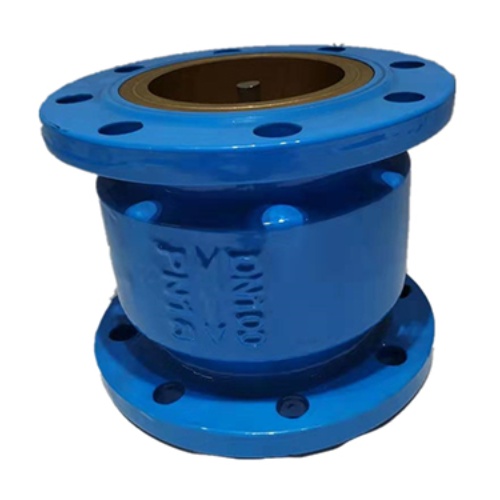
High quality industrial productsagement

High quality industrial products
View Details -

Meet the diverse needs of customers

Meet the diverse needs of customers
View Details -

Strict quality control

Strict quality control
View Details -

Top raw materials

Top raw materials
View Details -

Trusted supplier

Trusted supplier
View Details
Our application

news and information
Using a Spirit Level for Accurate Measurements in Construction and DIY Projects
Understanding the Spirit Level A Essential Tool in Precision Measurement The spirit level, an instru

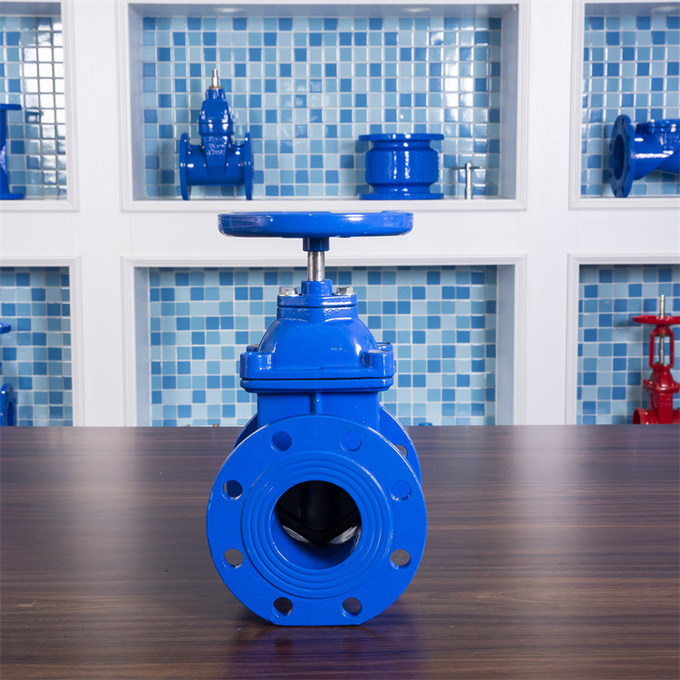
Válvulas de compuerta y globo
Válvulas de compuerta y válvulas de globo Una comparación Las válvulas son componentes esenciales en
Where to Find the Best Valve for Sale
Valves are the unsung heroes of industrial operations, playing a critical role in controlling the fl
 English